HIV Testing: Can You Trust a Negative Result?
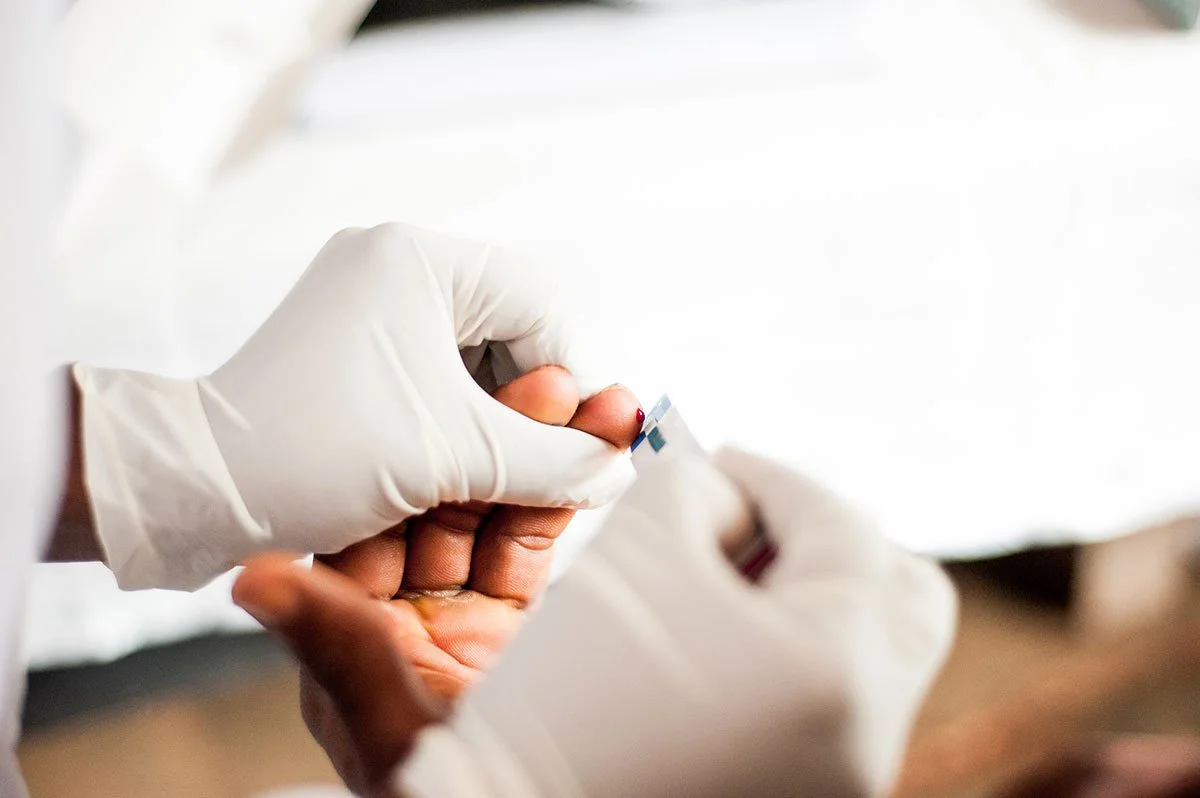
HIV Testing is important in protecting sexual health.
Getting tested for HIV is an important step towards protecting your sexual health. However, if you have recently had sex or experienced a potential HIV exposure, you may wonder how reliable a negative HIV test result is.
The answer depends on several factors, including the type of HIV test done, how long it has been since the potential exposure, and whether you have taken medication such as post-exposure prophylaxis (PEP).
A negative HIV test result may no doubt be reassuring, but testing too early could mean the infection is not yet detectable. Understanding the HIV window period can help you determine when to test, whether you need a repeat test, and when you can feel confident in your result.
Why HIV can stay hidden from a test
After HIV enters the body, it takes time for the markers detected by HIV tests to become detectable. Depending on the type of test used, these markers may include HIV antibodies, the p24 antigen, or the virus itself.
As a result, it is possible for someone to have HIV and still receive a negative test result during the early stages of infection. This is why a negative HIV result done too soon after a potential exposure does not necessarily rule out HIV. The timing of the test and the type of test used are both important.
What is the HIV window period?
Window period vs incubation period
The terms window period and incubation period are easily mixed up, but they refer to completely different things.
The window period describes the time between exposure and when a particular test can detect an infection. It is especially important when determining whether a negative HIV test result is conclusive.
The incubation period generally refers to the time between infection and the development of symptoms. In the context of HIV, some people develop symptoms of acute HIV infection after a few weeks, while others may not experience any symptoms at all.
These timelines do not necessarily match. You can have HIV without experiencing symptoms, and you can have HIV before a particular test becomes positive. Therefore, do not rely on the presence or absence of symptoms to determine whether you have HIV. A properly timed test is much more useful.
How long should you wait to test?
The appropriate testing time depends on the type of HIV test you take. A 4th-generation HIV test detects both antibodies and the p24 antigen and can detect HIV earlier than an antibody-only test. However, testing too soon after exposure can still produce a false-negative result.
What are the window periods for STIs?
HIV is not the only sexually transmitted infection (STI) that may be difficult to detect immediately after exposure. Other STIs, including syphilis, chlamydia and gonorrhoea, also have testing considerations. The most appropriate time to test depends on the infection, the type of test, the site of exposure and whether symptoms are present.
A negative result obtained too early may require repeat testing. If you develop symptoms or a partner tells you they have an STI, seek medical advice promptly.
HIV window period
HIV testing windows vary according to the type of test used:
| HIV test type | Typical window period |
|---|---|
| Polymerase Chain Reaction (PCR) | 10–33 days |
| 4th-generation antigen/antibody test | 18–45 days |
| 3rd-generation antibody test | 28–90 days |
These ranges are based on the United States Centers for Disease Control and Prevention (CDC) guidance and apply in the absence of anti-retroviral medication. Testing after PEP requires additional considerations.
Syphilis window period
Syphilis is a bacterial STI that can cause symptoms such as a painless sore, rash or swollen lymph nodes. It is possible that symptoms do not show up at all.
Blood tests are commonly used to detect syphilis, but the body's immune response takes time to develop. As a result, a test performed shortly after exposure may be negative even if transmission has occurred.
The window period for syphilis is generally accepted as 3 to 6 weeks post-exposure. If the exposure was particularly high-risk, doctors usually recommend to repeat the test at 12 weeks to fully confirm a negative status, as early tests can potentially miss an infection.
Chlamydia and gonorrhoea window period
Chlamydia and gonorrhoea are bacterial STIs that can affect the genitals, rectum and throat. They may not always show up with symptoms, therefore testing is important even if you feel well.
These infections are commonly diagnosed using PCR tests, which detect genetic material from the bacteria. Depending on the type of sexual exposure involved, samples may be collected from urine or swabs from relevant anatomical sites.
Testing too soon after exposure may not reliably detect an infection. The window period for chlamydia and gonorrhoea is generally accepted as 1 to 2 weeks post-exposure.
When an HIV test may not be conclusive
An HIV test result must be interpreted in the context of the timing of the test and the type of test used. A negative result shortly after exposure may be too early to rule out HIV. Conversely, a positive screening result requires appropriate follow-up confirmatory testing before a diagnosis can be fully confirmed.
If your HIV result was negative at 2 weeks
A negative HIV test two weeks after exposure is encouraging but not conclusive, therefore it does not reliably exclude HIV infection.
Your next steps depend on the test taken:
RNA PCR: A test at 2 weeks falls within its usual detection window, but a negative result still necessitates follow-up.
4th-generation test: Repeat testing is needed after the test's window period, commonly up to 45 days after exposure.
3rd-generation antibody test or self-test: Follow the manufacturer's instructions and your doctor's advice, as the window period may extend up to 90 days.
If your HIV result was positive at 2 weeks
A positive HIV test two weeks after exposure should be taken seriously, but the meaning depends on the test and whether the result has been confirmed. A positive result does not always mean that you have HIV. Some screening tests produce false-positive results, which is why follow-up testing is necessary. Confirmatory testing and clinical assessment are absolutely essential.
What happens if you took HIV PEP?
Post-exposure prophylaxis (PEP) is a course of anti-retroviral medication used to reduce the risk of HIV infection after a potential exposure. PEP should be started as soon as possible and no later than 72 hours after exposure. The course lasts 28 days.
If you have taken PEP, it is important to follow the recommended HIV testing schedule rather than relying on the standard window period alone.
Anti-retroviral medications can suppress viral replication and affect how quickly HIV markers become detectable. This means that tests may not detect an infection as expected if testing is performed too early.
How PEP can affect your HIV testing timeline
Before starting PEP, your doctor will usually perform an initial HIV test. This test establishes your baseline status and is not performed to determine whether you acquired HIV from the recent exposure.
Under the CDC's PEP guidelines, follow-up testing is recommended 4–6 weeks after exposure and again at 12 weeks after exposure. Your doctor may adjust the schedule according to when you started PEP, whether you completed the course and your individual circumstances.
4th-generation HIV testing after PEP
The fourth-generation HIV test detects both HIV antibodies and the p24 antigen, allowing it to identify many infections earlier than antibody-only tests. As taking PEP can affect the timing of HIV detection, a negative 4th-generation test result shortly after completing PEP should not automatically be considered conclusive.
The CDC's 2025 guidance recommends a final follow-up assessment at 12 weeks post-exposure. This is approximately 8 weeks after completing a standard 28-day PEP course. Your doctor may recommend a different schedule if there are other factors, such as ongoing exposure or other anti-retroviral medication use.
When is a negative HIV result final?
A negative HIV test result can be considered conclusive for a particular exposure when the test has been performed after the appropriate window period, there have been no subsequent potential exposures, and no factors such as PEP or PrEP require a modified testing schedule.
A negative result after the appropriate window period, with no further potential exposures, is reassuring and confirms that you do not have HIV from that exposure. If you continue to have potential exposures, regular testing and preventive treatment such as pre-exposure prophylaxis (PrEP) should be considered.
Frequently asked questions
-
HIV screening tests are designed to be highly accurate, but false-positive results can occur.
The likelihood of a false-positive result depends on the test used and the prevalence of HIV in the population being tested. Even a highly specific test can produce a false-positive result, particularly when testing a population in which HIV is uncommon.
For this reason, a positive test result is not necessarily a confirmed HIV diagnosis. Additional confirmatory testing is needed.
-
For many rapid tests, any visible test line within the specified reading time may be considered positive, even if the line is faint. However, test designs differ, and a line appearing after the permitted reading time may not be valid. It is important to check that the control line is present and that the test was performed correctly.
-
For many rapid tests, a negative result is indicated when the control line is present and there is no line in the test area.
-
A positive HIV screening result means that the test has detected a marker that may indicate HIV infection. It does not automatically mean that HIV infection has been confirmed. The next step is to undergo follow-up confirmatory testing.
If the diagnosis is confirmed, effective treatment is available, and starting treatment early can help protect your long-term health.
-
An RNA PCR test can usually detect HIV 10–33 days after exposure, while a 4th-generation antigen/antibody test can usually detect infection 18–45 days after exposure. 3rd-generation antibody-only tests have a window period of 28–90 days. Take note that these are typical ranges and not guarantees for every individual. If you took PEP, follow your doctor's recommended testing schedule.
If your negative result was obtained after the full window period for your test, and you have had no further potential exposures, it can be considered conclusive for that exposure under the appropriate testing guidance.