
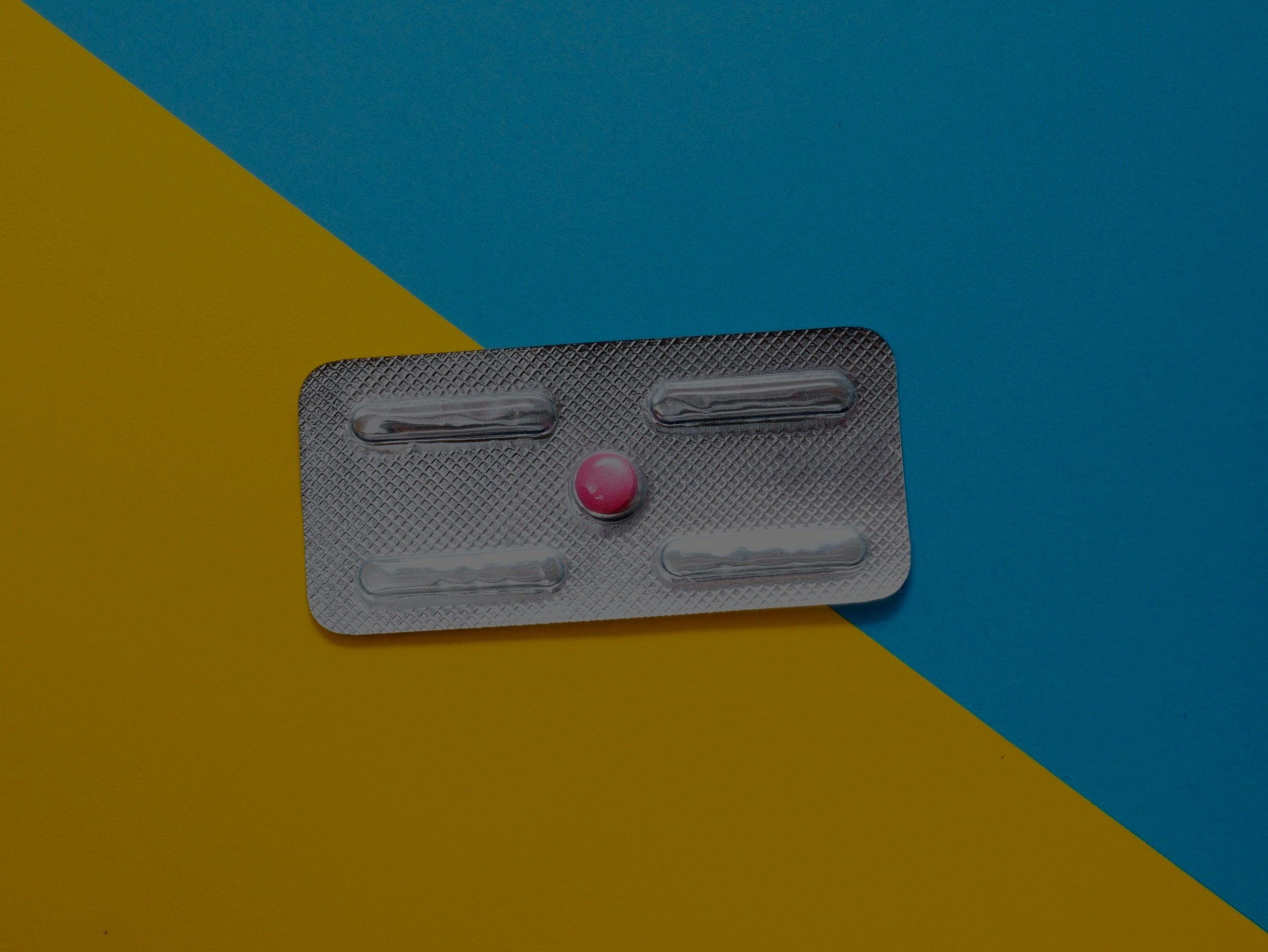
Emergency Contraception
Emergency contraception (EC) refers to methods of contraception that can be used to prevent an unintended pregnancy after sexual intercourse.
EC can be used in the following situations: unprotected sex, concerns about contraceptive failure (eg. condom breakage), incorrect use of contraceptives, and sexual assault if without contraception coverage. Correct usage of EC can prevent up to over 95% of pregnancies. They are recommended for use within 5 days, but are more effective the sooner they are used after intercourse.
There are 2 types of EC:
Emergency contraceptive pills
Also known as morning-after pills or Plan B, these contain either the hormone levonorgestrel (Postinor) or ulipristal acetate (ellaOne).
They prevent or delay ovulation, block fertilization or keep a fertilized egg from implanting in the uterus.
Postinor consists of 2 tablets taken 12 hours apart. It has to be started within 72 hours from the time of intercourse in order to be effective.
EllaOne is a single dose tablet which has to be taken within 120 hours from the time of intercourse to prevent pregnancy.
Potential side effects include headache, breast tenderness and nausea or vomiting, and the next period may be earlier, later or more painful than usual.
It is important to note that if you are already pregnant, taking emergency contraceptive pills do not cause an abortion.
Copper intrauterine device (IUD)
This method prevents fertilization by causing a chemical change in sperm and egg before they meet.
It can be inserted up to 120 hours after sexual intercourse, or up to 5 days after the earliest time you could have ovulated, to prevent pregnancy.
The IUD is more effective than the emergency pill. Less than 1% of women who use the IUD get pregnant.
The IUD should not be inserted if there is already an established pregnancy or possibility of pregnancy.
If you use the IUD as emergency contraception, it can be left in and used as your regular contraceptive method.
Complications of IUD insertion are rare, but can include pain, infection, damage to the womb and heavier, longer or more painful periods.
FAQs
-
If you do not get your menses within three weeks of taking emergency contraception, or if you have any symptoms of pregnancy, take a pregnancy test or schedule an appointment with your doctor. If you have bleeding or spotting that lasts longer than a week or develop severe lower abdominal pain three to five weeks after taking the morning-after pill, contact your doctor.
-
Any woman or girl of reproductive age may use EC if required. Note that EC can only be prescribed to women, and you have to be at least 16 years old. Men are not allowed to get EC on their partner’s behalf.
Breastfeeding mothers can still take emergency contraceptive pills, but it is recommended to discard your breast milk for up to a week after.
-
Taking the morning-after pill multiple times does not change its effectiveness, and will not cause any long term side effects, therefore you can take the morning-after pill as often as you need to. However, it should not be used as your regular method of birth control because it is not as effective as the primary birth control methods. It is, as the name implies, for emergencies.
As the pill only works to prevent or delay ovulation, it does not offer lasting protection from pregnancy. If you have unprotected sex in the days and weeks after taking the morning-after pill, you are at risk of becoming pregnant. If you have had to take emergency contraceptive pills multiple times, you may wish to consider regular forms of Birth Control, which are a lot more effective and less stressful to the body.
Contact us.
If you are worried about preventing an unintended pregnancy and would like to take up emergency contraception, please feel free to make an appointment to visit our doctor today. We are here to help.
