HIV PEP Singapore: What to Do Within 72 Hours of a Possible HIV Exposure
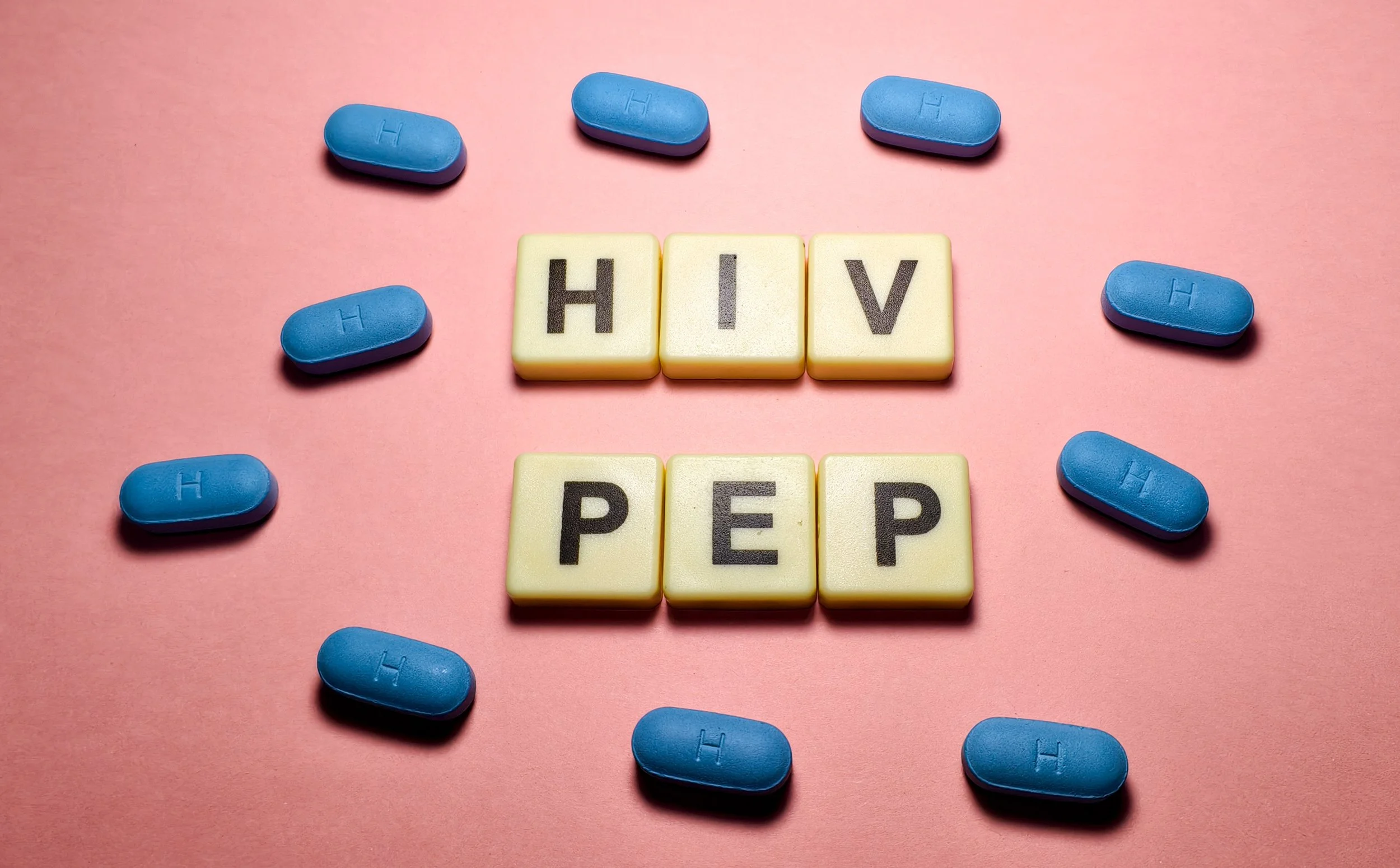
If you think you may have been exposed to Human Immunodeficiency Virus (HIV), it is important to get medical advice promptly. HIV post-exposure prophylaxis (PEP) may reduce the risk of HIV infection when started as soon as possible after a potential exposure. PEP should ideally be started within a few hours of exposure and must be started within a 72 hour window.
What is HIV PEP and why does timing matter?
How does HIV PEP work?
PEP is a course of anti-HIV medication taken after a potential exposure to HIV. The medication works by preventing HIV from establishing an infection in the body. Because it needs to be started quickly, PEP is considered an emergency HIV prevention treatment.
A doctor will assess the details of the exposure such as when it took place, the form of exposure, and the likelihood that HIV could have been transmitted. If PEP is appropriate, treatment is taken for 28 days. PEP can significantly reduce the risk of HIV, but it is not 100% effective. It is imperative to start treatment early and take the medication correctly.
Why must HIV PEP be started within 72 hours?
Timing is one of the most important factors when it comes to PEP. PEP should be started as soon as possible after a potential HIV exposure and no later than 72 hours afterwards. The earlier treatment begins, the better. The 72 hour window is evidence-based recommendations from data derived from multiple research studies.
If you are approaching the 72-hour deadline, don't spend too much time trying to decide whether your exposure was "risky enough." A doctor can better assess the situation and advise whether PEP is needed. If the exposure happened less than 72 hours ago, seek medical advice immediately.
PEP vs PrEP: What's the difference?
PEP and pre-exposure prophylaxis (PrEP) are both used to prevent HIV, but they are taken at different times.
PEP is taken after a possible HIV exposure. It is an emergency treatment.
PrEP is taken prior to potential exposure and is indicated for people who may have an ongoing risk of HIV. Think of it like buying insurance before the risk occurs.
When is HIV PEP recommended?
Not every potential exposure requires PEP. A doctor will assess the type of exposure, whether potentially infectious body fluids were involved, when it happened and the HIV status of the other person.
High-risk sexual exposures
HIV PEP may be considered following certain higher-risk sexual exposures, such as:
Unprotected anal or vaginal sex with a person who has HIV, particularly if their viral load is unknown or detectable.
A condom breaking or slipping during sex where there is a meaningful risk of contracting HIV.
Sexual assault.
Contact with potentially infectious sexual fluids involving broken skin or mucous membranes.
The actual level of risk varies from one situation to another. For example, a person living with HIV who is taking effective treatment and has a sustained undetectable viral load does not sexually transmit HIV.
If you are unsure whether your situation warrants PEP, please consult a doctor to assess your individual circumstances.
Needlestick injuries and occupational exposure
HIV PEP may also be recommended after certain exposures to potentially infected blood. This may include a needlestick or sharps injury, particularly for healthcare workers who accidentally come into contact with blood during their work.
If a needlestick injury or occupational exposure occurs, follow the exposure protocol of your workplace and seek medical attention immediately. PEP is time-sensitive, so it must not be put off until the next working day.
When is PEP not needed?
HIV is not spread through normal day-to-day contact. You do not need PEP simply from:
Hugging or shaking hands with a person living with HIV.
Sharing food or drinks.
Using the same toilet.
Sharing household items.
Touching someone's skin.
PEP is also generally not recommended where there is no realistic route for HIV transmission.
Where to get HIV PEP in Singapore
HIV PEP is available at public hospitals and private clinics in Singapore.
HIV PEP at A&E in Singapore
If you need urgent PEP assessment, you can attend the A&E department of a public hospital. You will be asked about the timing and nature of the exposure, as well as other factors that can affect your risk.
A&E can be particularly useful if the exposure happened at night, over a weekend or on a public holiday.
Getting HIV PEP at a private clinic such as RMDY
Another option is to visit a private clinic. RMDY Clinic provides HIV PEP consultations and treatment. Your doctor can discuss the exposure with you, assess your risk and advise whether PEP is appropriate.
If you are planning to visit a private clinic for PEP, contact the clinic first to check that PEP assessment and medication are available. This is especially important if you are approaching the 72-hour window.
What happens during an HIV PEP consultation?
A PEP consultation usually starts with a discussion about the exposure. Your doctor will ask the following:
When did the exposure happen?
What type of sexual or blood exposure occurred?
Was a condom used? Did the condom break or slip?
Do you know the other person's HIV status?
If your partner has HIV, are they taking treatment or known to have an undetectable viral load?
Are you taking any medications or have any medical conditions that need to be considered?
The doctor will use this information to decide if PEP is recommended.
What HIV tests are done before starting PEP?
A baseline HIV test is usually performed before PEP is started. Other tests may include:
Kidney and liver function tests
A negative HIV test immediately after an exposure does not rule out an infection from that recent exposure. HIV tests have a window period, which is why follow-up testing is imperative.
What to expect during the 28-day HIV PEP course
Medication, dosing schedule, and importance of completion
HIV PEP is a 28-day course of anti-HIV medication. The specific medication prescribed depends on factors such as the type of exposure and the HIV status and treatment of the source.
For PEP to work as effectively as possible, it should be started as soon as possible after a potential HIV exposure and within 72 hours. Take every dose exactly as prescribed and complete the full 28-day course, even if you feel well or have no symptoms. Missing doses or stopping PEP early may reduce its protective effect.
Possible side effects and how to manage them
The potential side effects of HIV PEP include:
Nausea or vomiting
Abdominal discomfort
Diarrhoea
Headache
Tiredness
Rash
Mild side effects may subside quickly as your body adjusts to the medication. Taking your medication as instructed, staying hydrated and getting adequate rest may help.
Follow-up HIV testing after completing PEP
Taking PEP does not eliminate the need for follow-up HIV testing. Testing is used to confirm your HIV status after the window period associated with the exposure and treatment.
Follow-up HIV testing is recommended at 1 month and 3 months after the exposure. Until your healthcare provider confirms that follow-up testing is complete, continue taking appropriate precautions to minimise the possibility of transmitting HIV to others.
Frequently asked questions
-
The cost of HIV PEP in Singapore varies depending on where you receive treatment, the medication prescribed, consultation fees and the cost of HIV or other STI tests.
There is no single fixed nationwide price for PEP. Public healthcare institutions may offer subsidies to eligible patients, while private clinics may have different consultation and medication charges.
Because medication prices and subsidies can change, contact the clinic providing PEP for the most current estimate of the PEP cost in Singapore before starting treatment, where practical.
-
No. HIV PEP is not 100% effective, so it should not be considered a guarantee that HIV infection will be prevented. PEP significantly reduces the risk of HIV when it is started promptly and taken correctly. The sooner PEP is started after a potential exposure, the more effective. It has to be started within 72 hours of exposure.
-
If more than 72 hours have passed since a potential HIV exposure, PEP is generally not recommended because it is unlikely to provide sufficient protection when started this late. Nevertheless, you should still contact a healthcare professional as soon as possible. They can assess your individual exposure, arrange HIV and STI testing at appropriate dates, and discuss other prevention and follow-up options.
If you may have ongoing or future repeat exposures to HIV, your healthcare provider may also discuss PrEP as a longer-term preventive method.
-
Yes. You can be prescribed PEP more than once if you have a new potential exposure to HIV and a healthcare professional determines that PEP is appropriate.
However, repeated use of PEP may be a sign that you could benefit from a longer-term HIV prevention strategy. If you regularly find yourself needing PEP after potential exposures, speak to your doctor about whether PrEP in Singapore may be suitable for you.